Colombian Culture: What Expats Actually Need to Know

Master customs, language, food, and integration, data-forward insights for thriving in Colombian society.

Colombian Character & Values

Warmth is core to Colombian identity. Colombians are known for genuine friendliness, humor, and emotional openness. This isn't superficial, it's a cultural value that prioritizes human connection. Family is central. Religion (mostly Catholic) shapes values, but secular culture is strong in major cities.

Key Cultural Traits

Warmth & Approachability

Colombians greet everyone, friends, acquaintances, strangers, with genuine interest. Small talk (saludar) is essential. Making plans without it feels cold. Expats often note this as one of Colombia's greatest strengths.

Humor & Self-Deprecation

Colombians laugh at themselves and their situation. Dark humor, jokes about politics, self-aware commentary, all common. This resilience comes from living through conflict; humor is survival mechanism.

Family-Centricity

Extended family drives decisions: living arrangements, career choices, financial planning. Respect for parents and elders is high. Sunday meals together are sacred. As an expat, being integrated into a Colombian friend's family is a huge privilege.

Resilience & Adaptability

Colombia's history of economic and social challenges created a "figure it out" culture. Improvisation (arreglárselas) is a skill. Problems don't paralyze, solutions come from creativity and persistence.

Regional Personalities

Region Personality Communication Style How Expats Experience Them
Paisa (Medellín & Antioquia) Hard-working, shrewd, humorous, entrepreneurial Fast-talking, lots of local slang, humor-heavy Friendly but direct. They'll tell you what they think. Business-minded. Cultural pride is high.
Costeño (Caribbean Coast) Laid-back, warm, rhythm-focused, relational Slower pace, fewer words, more feeling. Music in speech. Most expat-friendly, welcoming, less formal. Time is fluid. Embrace the "mañana" culture.
Rolo (Bogotá & Central) Conservative, educated, formal, reserved initially Proper Spanish, less slang, more formal pronouns Professional but can feel cold initially. Respect for hierarchy and education. Takes time to warm up.
Caleño (Cali & Valle) Fun-loving, salsa-obsessed, sensual, social Musical, expressive, playful, lots of hand gestures Party culture dominates. Very welcoming. Music/dancing is love language. Life happens at night.

Social Norms & Etiquette

Greetings

Colombians greet with a kiss on the cheek (one side) between women, or between a man and woman who know each other. Between men, it's a handshake or sometimes a hug. The kiss is light, often a cheek-to-cheek gesture rather than an actual kiss. On a first meeting, wait for the other person to initiate. Morning: "Buenos días." Afternoon: "Buenas tardes." Evening: "Buenas noches." Always greet service workers (bus driver, cashier), it's considered polite.

Punctuality ("Colombian Time")

Colombian time is flexible. Being 15–30 minutes late to social gatherings is normal and expected. For business meetings, arrive on time, but don't expect others to. For family events, late arrival is standard. Expats often find this frustrating but it reflects a relationship-focused culture where the event starts when key people arrive, not at a fixed hour.

Personal Space & Physical Contact

Colombians are more tactile than Northern Europeans/North Americans. Touching shoulders, arms, or back during conversation is normal, it signals warmth, not intimacy. Hugs are common between friends. Standing closer in conversations is normal (18 inches vs. 24 inches). Don't back away, it'll seem cold.

Dress Code

Bogotá (Formal)

Business casual to business formal in professional settings. Jeans are fine for casual, but sweats/athletic wear signals you don't care. Nightlife: nice jeans, button-ups. First dates: dress up more than you would in the US.

Medellín / Caribbean (Casual)

More relaxed. Nice jeans are acceptable almost everywhere. T-shirts and casual wear normal. Heat means less formality. Nightlife: still dress up more than US casual, but less than Bogotá.

Table Manners & Dining

Language Guide for Expats

Spanish Dialects by Region

Paisa Spanish (Medellín)

Distinctive accent, lots of slang (vos instead of tú in some contexts). Fast-paced. Diminutives are very common (tico, aíto, aíta). Outsiders sometimes need subtitles. Expat tip: Listen to paisa music and reggaeton to train your ear.

Caribbean Spanish (Costeño)

Slower, musical rhythm. Drops final consonants (murío instead of murió). Very friendly. Easier for beginners because it's slower. But getting the rhythm right takes practice.

Bogotá Spanish (Rolo)

Closest to textbook Spanish. Clear pronunciation. More formal. Fewer slang terms than paisa. If learning Spanish, Bogotá is the easiest for pronunciation. But less character.

Cali Spanish (Caleño)

Fast, musical, influenced by Afro-Colombian culture. Lots of rhythm and expressiveness. Harder to understand initially but incredibly musical and fun.

Essential Phrases for Expat Life

¿Cuánto cuesta?
How much does it cost?
Markets, street vendors, everything
No entiendo. ¿Puede hablar más lentamente?
I don't understand. Can you speak more slowly?
Essential for early days. No shame in asking.
Está muy rico. Gracias.
This is very delicious. Thank you.
Always compliment food. Huge cultural point.
¿De dónde eres?
Where are you from?
Common opener. Colombians want to know your story.
Parce / Parcero
Buddy / Friend (paisa slang)
Medellín/paisa region. Super friendly. Using it shows respect.
Bacano / Chévere
Cool / Nice
Both used. Bacano more paisa, chévere more universal.
Qué berraco
That's badass / impressive
Slang for something tough or cool. Common among younger Colombians.
No seas maricón
Don't be a wimp
Colloquial, friendly ribbing. Not offensive in casual contexts among friends.
Oiga, vea
Hey, look
Attention-getter. Super common in daily speech.
¿Qué más?
What's up? / How are you?
Casual greeting among friends. Very Colombian.

How Much Spanish Do You Need?

Short answer: 3–6 months to be functional. 1–2 years to feel confident. In Bogotá and tourist areas, English speakers exist but are sparse. Outside Medellín's expat zones, English disappears fast. You can survive with translation apps, but you'll be isolated and missing 80% of culture. Most expats report that language learning happens fastest through dating, friendships, and daily life (grocery shopping, babysitting, local jobs), not classes.

Expat-tested resources: Duolingo gets you to basics. Pimsleur is better for conversational confidence. Italki (hiring Colombian tutors for $5–15/hour) is ROI champion. But real fluency comes from Netflix (watch with Spanish subtitles), reggaeton playlists, and hanging with Colombians who don't speak English.

Food Culture

When Colombians Eat

Almuerzo (12–1pm) is the main meal of the day. Desayuno (breakfast, 6–8am) is light: coffee, bread, eggs. Cena (dinner, 7–9pm) is lighter, soup, arepa, sandwiches. Plan accordingly. Business lunches happen 12–2pm. Restaurants get packed 12–1pm. Dinner at 5pm like in the US seems early to Colombians.

Regional Cuisines

Medellín (Paisa)

Bandeja Paisa: Massive platter with beans, rice, meat, arepa, egg, salad. Caramelized plantain. Ajiaco (soup). A hearty, meat-heavy cuisine reflecting mountain culture.

Bogotá (Central)

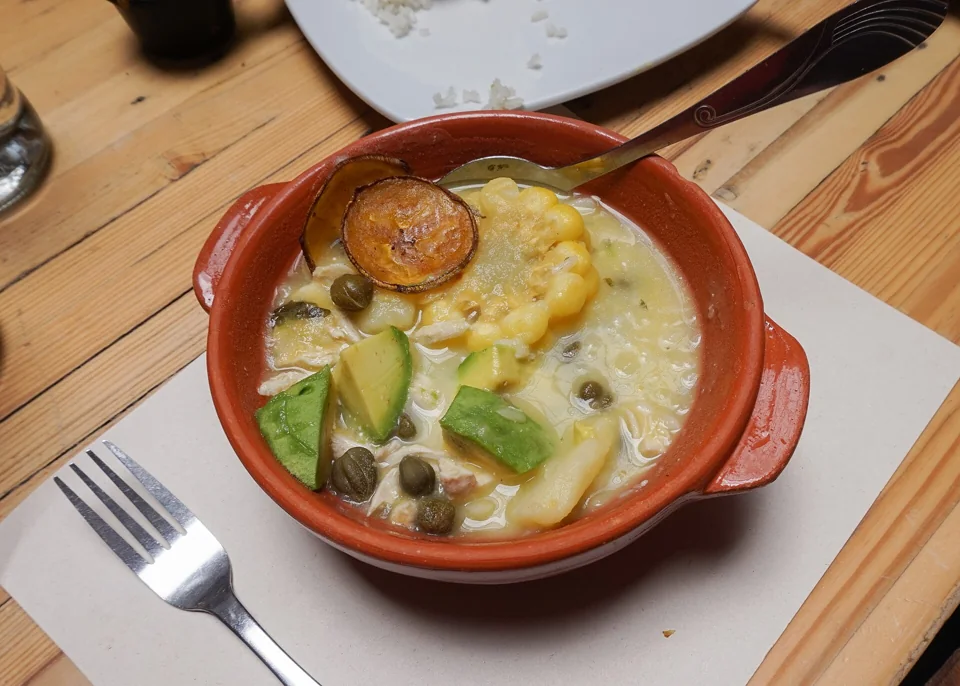
Ajiaco: Potato and chicken soup with cream, avocado, corn. Soul food of the highlands. Also: Lechona (stuffed piglet), empanadas, tamales.

Cartagena & Caribbean (Costeño)

Seafood dominates: Ceviche, fish with coconut sauce, shrimp. Rice and coconut. Fresher, lighter than inland. Street food: fried fish, patacones (fried plantain).

Cali & Valle

Sancocho: Hearty stew with meat and vegetables. Also: Empanadas (fried), arepas, fresh fruit juices. Cali is street-food capital.

Street Food Guide

Arepa

Fried corn patty. Filled with cheese, butter, meat. Found everywhere. Cost: 2,000–5,000 COP. Gateway food for expats. Breakfast, lunch, snack.

Empanada

Fried pastry with meat, potato, or cheese filling. 3,000–6,000 COP. Perfect on-the-go food. Very filling.

Pandebono

Cheese bread from the Caribbean coast. Soft, cheesy, best eaten fresh. 2,000–4,000 COP. Cartagena specialty.

Chontaduro

Boiled purple palm fruit. Eaten with sauce. 5,000–8,000 COP. Unique to Colombia. Acquired taste. Higher protein.

Patacones

Fried plantain slices. Side dish or snack. Crispy outside, soft inside. Addictive. 3,000–5,000 COP.

Ajiaco

Soup: potatoes, chicken, corn, avocado, cream. Bogotá's soul. 8,000–15,000 COP. Huge bowl. Comfort food.

Tipping Culture

Restaurant tip: 10% is standard (can round up or leave coins). Tipping is discretionary, not mandatory. Uber/Didi: round up or add 500–2,000 COP. Hairdresser/salon: 5–10%. Hotel housekeeping: 2,000–5,000 COP per night. Doorman/porter: 5,000–10,000 COP depending on service. Guides: 10–20% if satisfied. Cash tips are preferred (digital isn't as ingrained in tipping culture).

Food Apps & Platforms

Holidays & Festivals

Colombia has 18 public holidays per year, more than most countries. Government employees get long weekends. Some holidays are "bridged" (puente) if they fall on Tuesday/Wednesday, creating 4-day breaks. If a holiday falls on Sunday, it's observed on Monday. Plan accordingly: offices close, banks close, some restaurants close. But major celebrations happen, and cities are lively.

Major Holidays & Dates

January 1

New Year's Day - Major party culture. Fireworks, celebrations.

January 8

Battle of Boyacá - Historical significance. Many businesses closed.

February (moveable)

Carnaval de Barranquilla - The Caribbean coast's biggest festival. Music, parades, dancing.

March/April (moveable)

Easter Week (Semana Santa) - Religious processions, reduced services, beach season begins.

July (mid-month)

Feria de Cali - Salsa festival. Dance competitions, concerts, cultural events.

August (moveable)

Feria de las Flores (Medellín) - Flower festival. Parades, flower arrangements, cultural performances.

December 8

Día de las Velitas - Lighting candles at dusk. Preparation for Christmas. Decorations start.

December 25

Christmas Day - Family-centered. Businesses closed. Secret Santa (Amigo Invisible) tradition popular.

Cultural Festivals by Region

Music & Nightlife

Regional Music Breakdown

Vallenato (Caribbean/Central)

Accordion-based storytelling. Listened everywhere but originated on the coast. Nostalgic, romantic, narrative lyrics. Older Colombians love it.

Cumbia (Caribbean)

African-influenced rhythm. Ancestral. Festive. Drummed-based. Less common in clubs (more traditional), but cultural foundation.

Salsa (Everywhere, especially Cali)

The dance music. Every Colombian knows salsa. Cali is salsa capital. Bars, clubs, street festivals feature live salsa bands.

Champeta (Caribbean Coast)

Afro-Colombian. Faster than cumbia. Coastal identity. Found in clubs in Cartagena, Barranquilla.

Reggaeton (Everywhere, especially young people)

Urban, modern. Dominates clubs, radio, young culture. Medellín was a reggaeton hub. All major cities have reggaeton clubs.

Bachata & Merengue (Growing)

Dominican influence. Romantic. Growing in popularity, especially for dating/dancing.

Going Out Culture

Nightlife starts late. Bars open 8–10pm but get busy 11pm–1am. Clubs peak 12am–3am. Dinner is 7–9pm, then bars. Cover charges (entrada) typical in clubs: 20,000–50,000 COP. Dress codes: nice jeans + button-up minimum. Some clubs require formal dress. VIP sections exist. Safety note: go with groups, use taxis/Uber (not walking late), avoid displaying valuables.

Nightlife by City

Medellín

Reggaeton, live music. Parque Arvi area, El Poblado (tourist zone). Younger vibe. Hip-hop/trap emerging.

Bogotá

Diverse. Salsa, reggaeton, indie. Zona Rosa (upscale), La Candelaria (underground). Late-night beer culture (cervezas).

Cali

Salsa capital. Live bands nightly. Clubs dedicated to salsa. Dance is non-negotiable. Fun, less uptight than Bogotá.

Cartagena

Tourist-oriented. Caribbean rhythms, beach clubs. More expensive. Beautiful but less "authentic" than other cities.

Dating & Relationships

Gender roles are changing rapidly in major cities but traditional values persist in rural areas. Machismo is real but not as dominant as stereotypes suggest. Women increasingly work and lead. Younger generations are more egalitarian.

Cultural Norms

Direct Approach

Colombians are upfront about attraction. "Piropos" (compliments, sometimes flirty) are normal. Don't assume rudeness, it's cultural warmth. Women are direct too.

Family Importance

Dating is serious. Meeting the family is a big step but happens faster than in the US. Commitment expectations are higher.

Jealousy is Normal

Possessiveness is culturally common. If dating a Colombian, expect more "where are you going?" than in US dating. It's not insecurity, it's cultural.

Religion Still Matters

Even secular Colombians have religious families. Marrying outside religion happens but requires conversation with parents.

Money Matters (for women)

Traditional: men are breadwinners. Modern: increasingly shared. But traditional expectations still exist, especially outside cities.

Long-term Thinking

Dating culture is less hookup-focused than the US. Moving in together is quasi-engagement. Marriage is the goal, not optional.

Meeting Colombians vs. Expat Community

Meeting Colombians: Through friends, university, sports/gym, church (less common for non-believers), language exchanges, volunteering, coworking spaces. Apps (Tinder, Bumble) work but less reliable than in the US, cultural friction can be high. The "expat bubble" is real: Chapinero, Zona Rosa, Medellín's El Poblado have expat dating scenes. But expat-only dating leads to isolation.

Expat Dating Reality: Many expat men come for relationships with Colombian women. This dynamic creates tension and stereotypes. Colombians are aware. Be genuine, not transactional. Female expats report easier integration (less stigma, less stereotype)

Integration Tips: Beyond the Expat Bubble

Making Colombian Friends

Join Communities

Sports clubs, gym classes, volunteer groups, church/spiritual spaces, Spanish classes, hobby groups (photography, hiking). Repeated exposure builds friendships faster than random meetings.

Show Genuine Interest

Ask about their life, family, region. Colombians are storytellers. Listen. Don't talk about Colombia's "problems" unprompted, it feels like judgment.

Invite Them Over

Colombian culture is relational. Host dinners, game nights, coffee. Hospitality builds bonds. Don't expect them to always initiate.

Learn Slang & Regional Jokes

Effort matters. Even broken paisa Spanish makes paisas laugh and respect effort. Laugh at yourself. Don't take correction personally.

Attend Family Events

If invited to a Colombian friend's family gathering, go. Bring something. Participate. Family integration = real friendship.

Show Up Consistently

Flaky expats get labeled "tourists." Show up to things. Be reliable. Colombians value loyalty.

Understanding the Strata System

Colombia's strata (socioeconomic classification 1–6) profoundly shapes life. Your strata determines neighborhood, school, utilities cost (yes, rich pay more), and social circles. It's not quite caste system but proximity is accurate. Dating across strata is common but requires navigation. Strata 1–2: low-income. Strata 3–4: middle. Strata 5–6: wealthy. As a foreigner, you'll be assumed wealthy. This creates opportunities and barriers. Don't flaunt wealth; integrate humbly.

Cultural Faux Pas: What Not to Do

1. Ignoring Greetings

Rushing past someone without saying "buenos días" or "buenas" feels rude. Always greet. Even the cashier.

2. Complaining About Colombia

Colombians critique their own country constantly. An expat doing it feels judgmental. Focus on appreciation, not criticism.

3. Bringing Up Safety/Violence Unprompted

Colombians are tired of outsiders' stereotypes about kidnapping, cartels, danger. It happened; it's largely past. Let them bring it up.

4. Being Visibly Wealthy

Expensive watches, jewelry, brand-name bags signal target. Dress down. Keep valuables hidden. Don't show off.

5. Assuming Everyone Speaks English

Learning Spanish is essential. Speaking English assumes privilege. Effort in Spanish is deeply respected.

6. Missing Important Family Dates

Birthdays, anniversaries, religious holidays matter. If close to a Colombian, show up or acknowledge. Neglect signals disrespect.

7. Being Overly Formal

Colombian culture values warmth. Being too distant or professional pushes people away. Loosen up a bit.

8. Not Eating Local Food

Sticking to expat restaurants signals you're not integrating. Eat arepas, ajiaco, local street food. Show appreciation for cuisine.

9. Laughing at Accents

Costeños speak differently than rolos. It's not funny or "wrong", it's cultural. Disrespect ruins friendships.

10. Leaving Events Early

Colombian parties run late. Leaving before 10pm seems rude. Even if tired, stay a bit. It signals you care.

Ready to Thrive in Colombian Culture?

Deep cultural integration takes time, humility, and genuine interest. Our cultural consultants help expats navigate dating, friendships, workplace dynamics, and community building.

Read Expat Stories