Colombia's Climate: Why There Are No Seasons (And Why Expats Love It)

Colombia doesn't have winter and summer. It has altitude and rain. Here's everything you need to know about the weather, where to live based on climate, and what to pack.

How Colombian Climate Works

Colombia sits on the equator, but don't expect tropical heat everywhere. Elevation is the key. The higher you go, the colder it is, roughly 3.5°F colder for every 1,000 feet of elevation gain.

There are no seasons in the Northern Hemisphere sense (winter/spring/summer/fall). Instead, Colombia has two rainy seasons and two dry seasons based on the sun's position relative to the equator.

Rainy Seasons vs Dry Seasons

Key Reality: It doesn't rain all day. Typical pattern is a beautiful morning, then afternoon thunderstorms (2–4 hours), then clearing by evening. You can plan outdoor activities in the morning during rainy season.

City-by-City Climate Profiles

Medellín (Altitude: 1,495m / 4,905ft)

Year-round: 18–28°C (64–82°F)

Medellín's reputation as the "City of Eternal Spring" is mostly accurate, though expats often find days warmer and nights cooler than expected. Mornings are pleasant, afternoons warm, evenings cool (light jacket territory).

  • Rainy: April–May and October–November (afternoon storms, 15–20 rainy days/month)
  • Dry: December–January and June–July (mostly clear mornings)
  • Best Time to Visit/Move: December–February (dry, sunshine, Feria de las Flores in August)
  • What to Wear: Light clothes, one lightweight jacket for evenings, always carry an umbrella

Humidity is moderate. Pollution can be a factor during dry season when smog gets trapped in the valley, check air quality reports.

Bogotá (Altitude: 2,625m / 8,660ft, Coldest Major City)

Year-round: 7–19°C (44–66°F)

Bogotá surprises expats with its cold. It's not freezing, but it's genuinely cool, especially at night and in early mornings. Jackets are worn year-round. Many expats find the temperature refreshing after hot cities, but some miss the warmth.

  • Rainy: March–May and October–December (frequent afternoon rain)
  • Dry: December–February and June–August
  • Reality Check: Don't underestimate how cold nights get. 7°C feels colder than 7°C in other parts of the world due to altitude and humidity.
  • What to Wear: Layers are essential. Jeans, long sleeves, sweaters, waterproof jacket, closed-toe shoes

Sun is intense due to altitude and equatorial location, sunscreen is essential even on cloudy days.

Cali (Altitude: 995m / 3,264ft, Hot Inland City)

Year-round: 24–30°C (75–86°F)

Cali is warm, sunny, and one of the sunniest cities in Colombia. It's not as humid as coastal cities, but it's noticeably hotter than Medellín. The salsa capital has consistently good weather for outdoor activities and nightlife.

  • Rainy: April–May and October–November
  • Dry: December–January and June–July (some of the best weather in Colombia)
  • What to Wear: Light, breathable clothing, sunscreen, sunglasses, light rain jacket for afternoon storms

December–January is peak season for visitors. June–July offers great weather with fewer tourists.

Cartagena (Coastal, Sea Level)

Year-round: 28–34°C (82–93°F), Very Humid

Cartagena is hot, humid, and tropical. Heat is relentless, air conditioning is essential, not optional. Humidity often exceeds 80%. It's beautiful but demanding for those sensitive to heat.

  • Rainy: July–November (peak rain September–November, occasional tropical storms)
  • Dry: December–June (best time, less humidity, fewer tourists after February)
  • Hurricane Season: June–November is Atlantic hurricane season. Tropical storms are possible but direct hits are rare.
  • What to Wear: Breathable fabrics (cotton, linen), high SPF sunscreen, light swimwear, hat, sandals

December–March is peak tourism season (busier, higher prices). April–May is shoulder season (warm, some rain). June is beginning of rainy season but fewer tourists and lower prices.

Santa Marta (Coastal, Sea Level)

Year-round: 28–32°C (82–90°F)

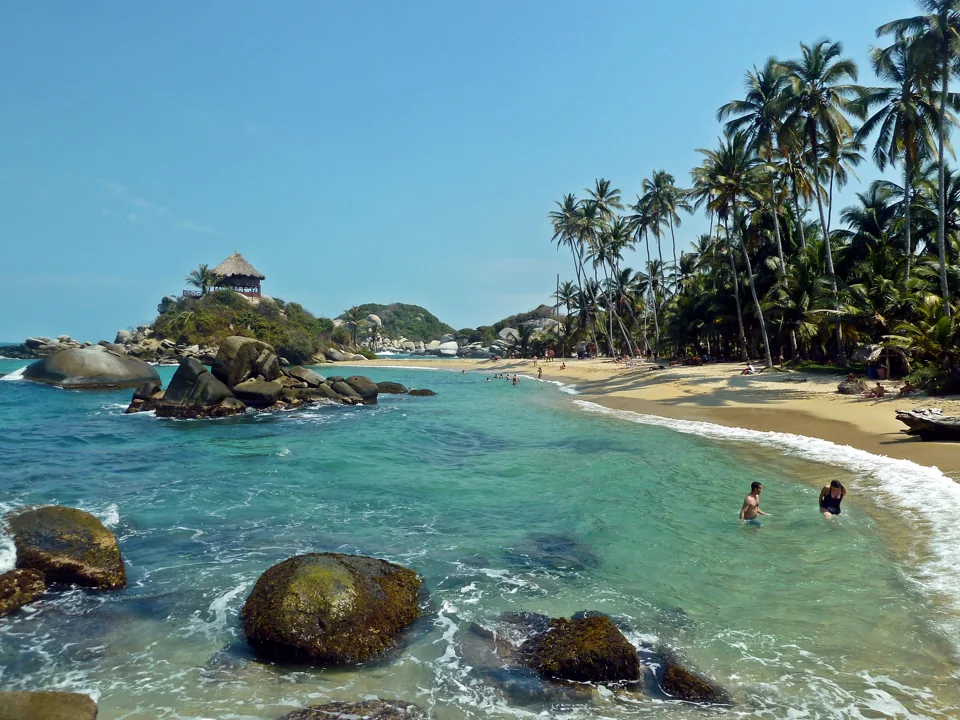
Similar to Cartagena but slightly less touristy. Hot and humid, gateway to Tayrona National Park and Lost City treks. Rainy season affects hiking accessibility.

  • Best for Hiking: December–March and July–August (dry enough for trails)
  • What to Wear: Same as Cartagena, light, breathable, sunscreen essential

Barranquilla (Coastal, Hottest Major City)

Year-round: 30–36°C (86–97°F), High Humidity

Barranquilla is the hottest major city in Colombia. Heat and humidity are intense. Less tourism infrastructure than Cartagena, but weather-wise, it's more of the same: hot, humid, tropical.

  • Best Time: December–February (marginally less hot)
  • Warning: Many expats find the sustained heat overwhelming. Test a stay in rainy season if considering moving here.

Coffee Region (Manizales, Armenia, Pereira)

Altitude varies: 1,000–2,200m, Temperature: 17–25°C (62–77°F)

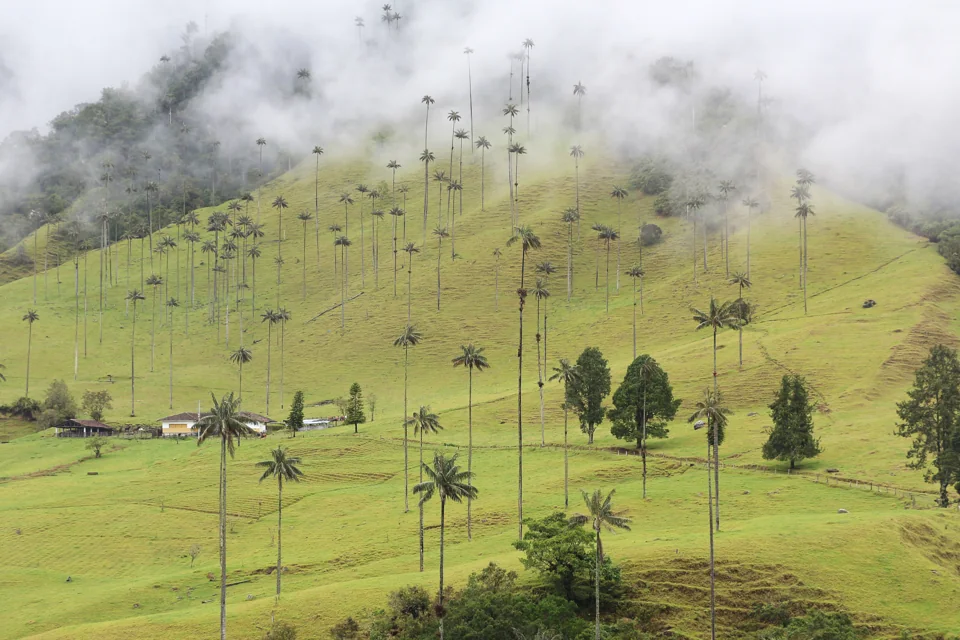
The Eje Cafetero (Coffee Triangle) has variable weather depending on altitude and microclimate. Some areas are extremely rainy (>2,000mm annually), this is why coffee thrives. Mornings are crisp, afternoons can be warm or rainy.

  • What to Wear: Layers, waterproof jacket, hiking boots (many areas have muddy trails)
  • Best for: Coffee farm tours, hiking, quieter mountain living

Rainy Season Reality Check

Many potential expats worry about rainy seasons and either avoid them or overestimate their impact. Here's the truth:

It Doesn't Rain All Day: The typical pattern is a beautiful morning (7am–12pm), lunch, then afternoon storms (2–4pm), then clearing by evening. Outdoor activities are possible if you plan for mornings.

Impact on Daily Life

Is Rainy Season a Dealbreaker?

No. Many expats prefer rainy season for cooler temperatures and fewer tourists. It's manageable with planning. An umbrella and waterproof bag are essential, but daily life continues normally.

Best Time to Visit Each City: Month-by-Month

Month Medellín Bogotá Cali Cartagena
January Excellent (dry) Good (cool, dry) Excellent (dry) Excellent (peak season)
February Excellent (dry) Good (dry) Excellent (dry) Excellent (warm, dry)
March Good (rain starts) Fair (rain starts) Good (rain starts) Very Good (warm)
April Fair (rainy) Fair (rainy) Fair (rainy) Good (warm, less crowded)
May Fair (rainy) Fair (rainy) Fair (rainy) Good (warm, rain increasing)
June Good (less rain) Good (drier) Excellent (dry) Fair (rainy season)
July Excellent (dry, Flores) Good (drier) Excellent (dry) Fair (rainy)
August Excellent (dry) Good (drier) Good (drier) Fair (rainy)
September Good (rain starts) Fair (rain) Good (rain starts) Fair (rainy)
October Fair (rainy) Fair (very rainy) Fair (rainy) Poor (very rainy)
November Fair (rainy) Fair (rainy) Good (rain decreasing) Poor (rainy)
December Excellent (dry) Very Good (drier) Excellent (dry) Excellent (peak)

What to Pack: Climate-Specific Packing List

Medellín Packing List

  • Light cotton/breathable shirts (5–7)
  • One lightweight jacket or sweater (nights)
  • Jeans or casual pants (2–3)
  • Shorts (2–3)
  • Comfortable walking shoes
  • Sandals
  • Umbrella or light rain jacket
  • Sunglasses and hat
  • Sunscreen (SPF 30+)

Bogotá Packing List

  • Long sleeves and layers (essential!)
  • Warm sweaters or cardigans (2–3)
  • Jeans and long pants (3–4)
  • Closed-toe shoes and warm socks
  • Waterproof jacket
  • Scarf or light wrap
  • Umbrella
  • Sunscreen (altitude is intense)
  • Hat and sunglasses

Cartagena/Barranquilla Packing List

  • Breathable fabrics: cotton, linen (lots of lightweight clothes)
  • Shorts (4–5 pairs)
  • Light dresses/skirts
  • Swimwear (2 suits)
  • Sandals and flip-flops
  • Very light rain jacket (minimal, heat matters more)
  • Hat, sunglasses (non-negotiable)
  • High SPF sunscreen (50+) and lip balm with SPF
  • Light shawl or cover-up for sun protection
  • After-sun lotion or aloe

Coffee Region (Hikes) Packing List

  • Waterproof hiking boots
  • Wool or synthetic socks (not cotton)
  • Waterproof jacket and pants
  • Layers (mornings are cool)
  • Dry bag for electronics
  • Insect repellent
  • Trekking poles (optional but helpful on mud)
  • Camera/GoPro in waterproof housing
Universal Packing Tips: Sunscreen is essential everywhere (equatorial sun is intense). Lightweight layers work everywhere. An umbrella or small rain jacket is always smart. Closed-toe shoes are better for protecting against insects and rough terrain.

Natural Hazard Awareness

Earthquake Risk

Colombia sits on the Pacific and Caribbean tectonic plates. Seismic activity is real but uncommon in major expat cities. Small earthquakes happen; major ones are rare. Bogotá and Medellín are relatively stable. Colombians and expats handle it casually, buildings have seismic codes, and life moves on.

El Niño & La Niña Effects

El Niño (warm phase) brings drier conditions and higher temperatures. La Niña (cold phase) brings more rain and cooler temps. These cycles affect the rainy seasons slightly but don't change the overall pattern dramatically.

Tropical Storms & Hurricanes

The Atlantic hurricane season (June–November) affects Caribbean coastal cities. Direct hits on Colombia are rare, but tropical storms do occur. Cartagena and Santa Marta may experience heavy rain and strong winds but rarely catastrophic damage. Insurance is standard for coastal residents.

Reality: Natural disasters are a factor but not a major concern in Colombia. Weather is predictable and manageable. Focus on packing for rain and sun, not worrying about catastrophes.

Climate Change Impact on Colombia

Colombia's climate patterns are shifting slightly. Rainy seasons are becoming more intense and less predictable. Dry seasons are occasionally longer. This hasn't fundamentally changed where expats live, but it's worth monitoring. Infrastructure is gradually improving to handle heavier rainfall.

For expats, the practical takeaway: rainy season might bring heavier afternoon storms, but daily life remains manageable. Pack rain gear and stay flexible.