
Medellín at a glance
Medellín sits in the Aburrá Valley, with a dense urban center and neighborhoods climbing the surrounding slopes. The city is often described through its springlike weather and Metro system, but your experience will be shaped by the exact hill, block and last-mile connection around your address.
- Strong fit to test — people who want a large city, a rail-and-cable network, a lively cultural calendar and easy access to services in the valley.
- Test harder if — steep walks, evening noise, dense construction or a long cross-valley commute would quickly wear you down.
- First numbers to collect — rent plus administration, electricity, internet, regular transport, healthcare and the cost of a reliable backup plan.
- Decision rule — spend ordinary weekdays at the address you are considering; do not let a rooftop view stand in for a routine.
Choose a neighborhood by routine
El Poblado combines commercial streets, nightlife, offices and quieter residential pockets. Noise, slopes and prices can change within a few blocks. Ask how you will carry groceries uphill, how far the actual building entrance is from transport and whether short-term rentals share the building.
Laureles has a flatter-feeling, more local daily rhythm in many areas, but it still needs a street-by-street inspection. Compare the walk to your preferred route, traffic at rush hour, evening activity and the quality of the apartment itself. Areas in Belén, Envigado, Sabaneta and other parts of the valley may also fit, especially if your work or family routine points there; investigate them on their own terms rather than assuming a famous district is the default.
Create a short scorecard for every address:
- door-to-door commute at the time you will travel;
- walking conditions with groceries, luggage or a stroller;
- noise with windows open and closed;
- grocery, pharmacy, gym and clinic access;
- rent, administration and likely utilities on one written quote.
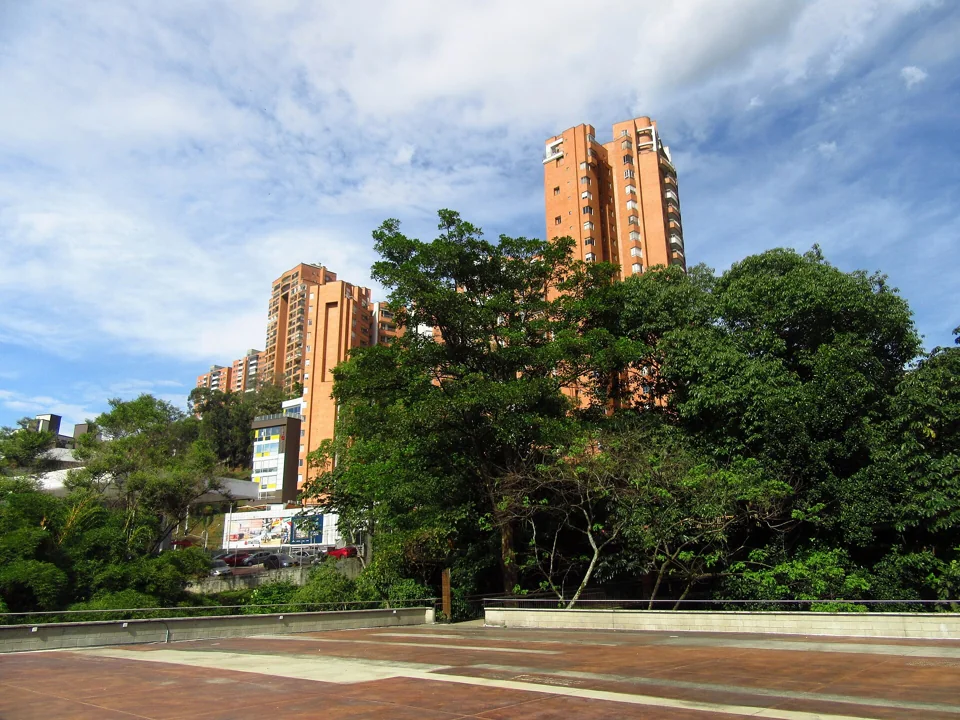
Walk the neighborhood before you choose it
City photographs help you orient yourself. Inspect the actual address, route and services before making a housing decision.
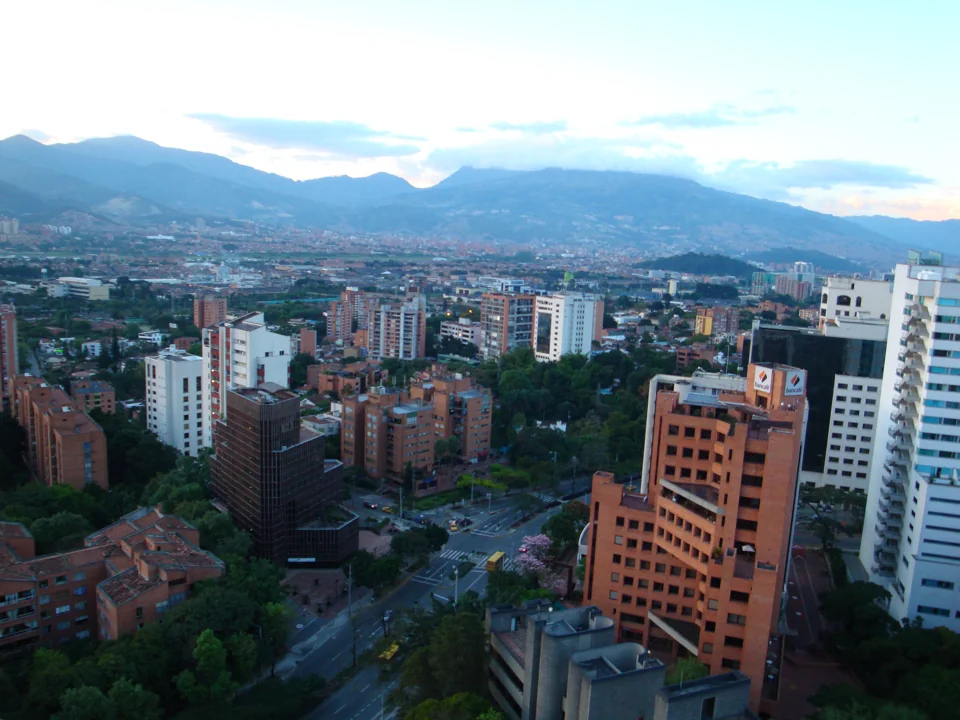

Make the Metro part of your inspection
Medellín's Metro includes rail and cable lines, and the official network is the right starting point for a route plan. A listing that says “near Metro” still needs a timed walk from the building entrance, plus the connection you would use in rain or after dark. Try the complete journey, including the return home, instead of relying on a straight-line map estimate.
If you will use taxis or ride-hailing for the last mile, record two or three real fares. This exposes a cost and convenience tradeoff that a rent comparison misses. Keep a second route for days when a station, road or cable line is disrupted.
Work, healthcare and ordinary errands
Use one scouting day to do the things that make a home workable: a supermarket shop, pharmacy enquiry, laundry, a video call and a visit to the provider or clinic you would actually use. Test upload quality from the intended work room, not just download speed in a lobby. Ask the building how internet faults, water interruptions and repairs are handled.
For healthcare, confirm the specific service, insurance acceptance, appointment process and travel time directly. A city's reputation or a generic “international hospital” list is not evidence that a particular provider fits your needs. If you have a condition affected by altitude, climate or medication access, discuss the proposed stay with your clinician before travel.
A 72-hour reconnaissance plan
- Day 1 — route test: start at the candidate apartment, take the commute at a realistic hour, buy a normal grocery load and return by the route you would use.
- Day 2 — neighborhood test: revisit the block in daylight and evening, check noise and lighting, ask a building staff member about administration and repairs, and price your recurring transport.
- Day 3 — city test: visit the Museo de Antioquia or another current cultural program, then spend the rest of the day on one practical appointment. Notice how much cross-city travel the enjoyable parts of the city require.
The Museo de Antioquia and Plaza Botero can introduce the city's art and public life, while Casa Museo Pedro Nel Gómez offers another cultural lens. Check current opening details before going and plan the journey there and back. Culture is part of choosing Medellín, but it should sit beside the evidence from your weekday routine.
Medellín budget checkpoints
Build the monthly plan with the same household assumptions you use on the cost-of-living page and calculator. Separate fixed housing costs from variable electricity, eating out, transport and health spending. Add a contingency for deposits, replacement equipment, short-notice rides and a first-month setup. A furnished short stay in a visitor-heavy district is not a fair benchmark for an unfurnished longer lease elsewhere.
Before committing
- Confirm the full contract, administration charges, furnishings, deposit, notice period and permitted occupancy in writing.
- Check internet, water pressure, hot water, ventilation, lifts and entrance access in person.
- Ask about construction, bars, short-term rentals and building quiet hours.
- Verify who handles repairs and what happens during utility interruptions.
- Review current travel advice for the city and the exact routes you will use; no neighborhood is guaranteed crime-free.
Medellín can be a strong base, but its strengths will not resolve immigration, tax or insurance questions. Keep those decisions moving alongside the housing search, not after paying for a long stay.
Sources and next checks
Reference links for the rules, data and context discussed here. Official sources, market snapshots and community anecdotes are identified by their titles. Recheck time-sensitive requirements before applying, paying or travelling. Planning checklists are editorial suggestions, not official requirements.