
Why does Colombia have such varied wildlife?
Colombia includes very different environments, from Andean elevations to lowland forests and coasts. That variety makes location and habitat more useful to a visitor than a single “most biodiverse” ranking.
SiB Colombia publishes biodiversity information and links to current figures. Counts depend on the organism group, records and methodology. We do not present an undated species total as a fixed fact or turn a biodiversity ranking into a guarantee of what you will see.
Choose a habitat before a species list
Think about whether you want a short accessible walk, a focused birding trip or a longer forest visit. Then ask about access, guide requirements, physical demands and current conditions. A species recorded in a region may still be difficult or inappropriate to seek out.
For protected areas, use Parques Nacionales' official ecotourism information. Not every protected area is open to visitors, and access can change.
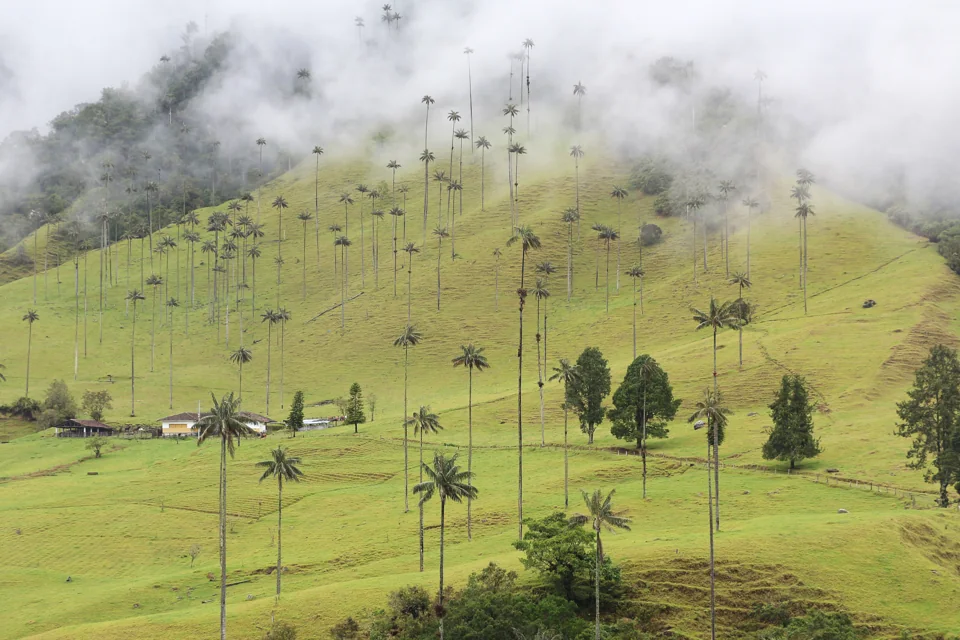
Stay curious about the landscape
A sourced photograph can add context to a guide, but it cannot prove access, safety or a current opening.
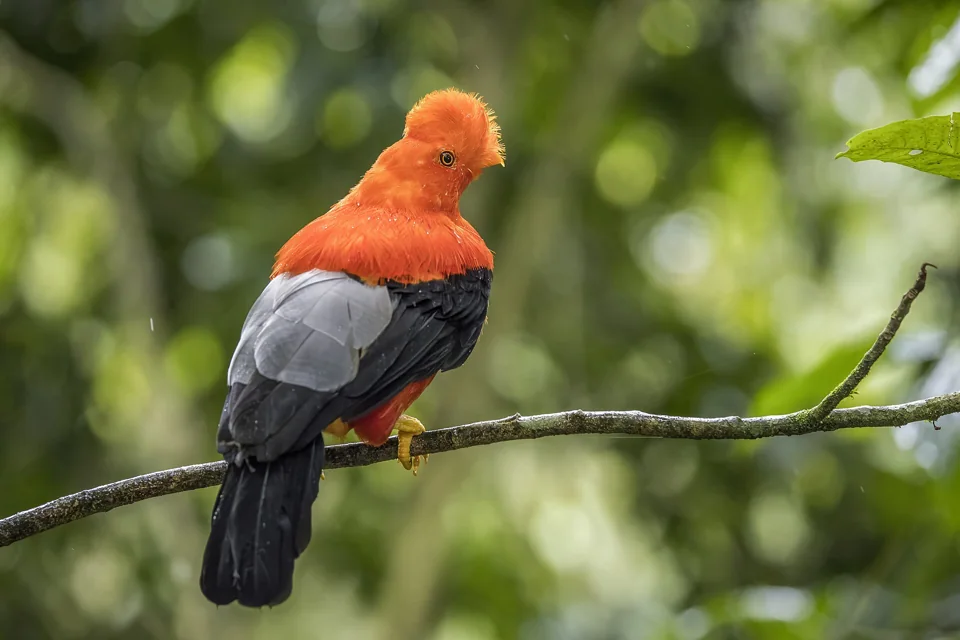
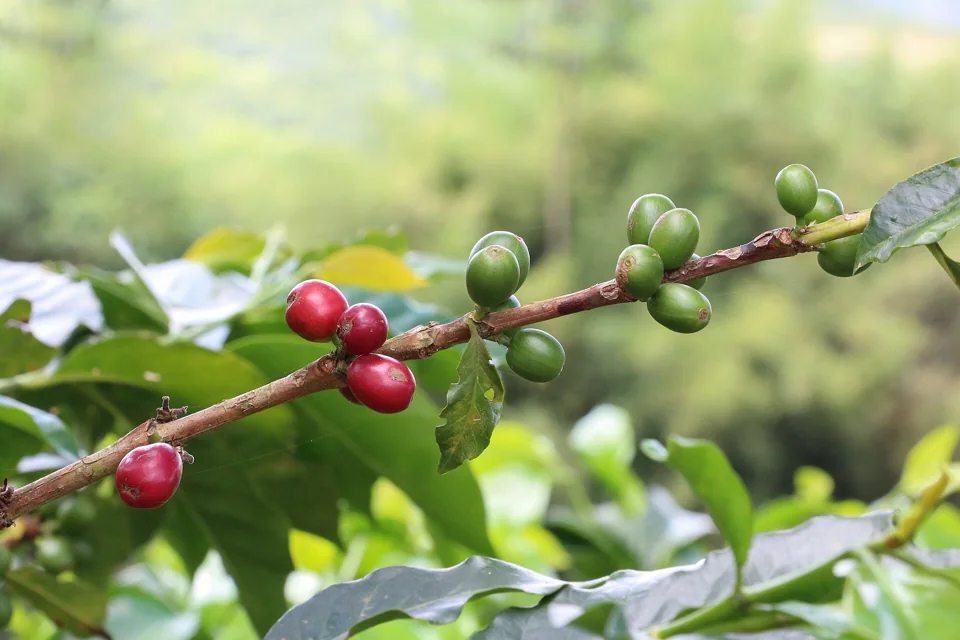
Make the visit useful and low-impact
- Choose a guide who can explain habitat and behavior, not only produce a sighting list.
- Keep to permitted routes and follow limits on group size and access.
- Do not remove plants, feed wildlife or approach nests for photographs.
- Ask before sharing precise locations of sensitive species.
- Record observations accurately; an uncertain identification should remain uncertain.
Learn after the trip
Use photographs, notes and reputable identification resources to review what you saw. Check a scientific name before repeating a claim from a tour description. An ordinary observation with a reliable identification is more useful than an impressive but incorrect species label.
Sources and next checks
Reference links for the rules, data and context discussed here. Official sources, market snapshots and community anecdotes are identified by their titles. Recheck time-sensitive requirements before applying, paying or travelling. Planning checklists are editorial suggestions, not official requirements.