
Where should you begin with orchids?
A botanical collection or a guided visit can be a better introduction than trying to identify a wild flower from an image search. Ask about flowering times and whether the plants are cultivated or growing naturally. A bloom's appearance alone may not settle its identification.
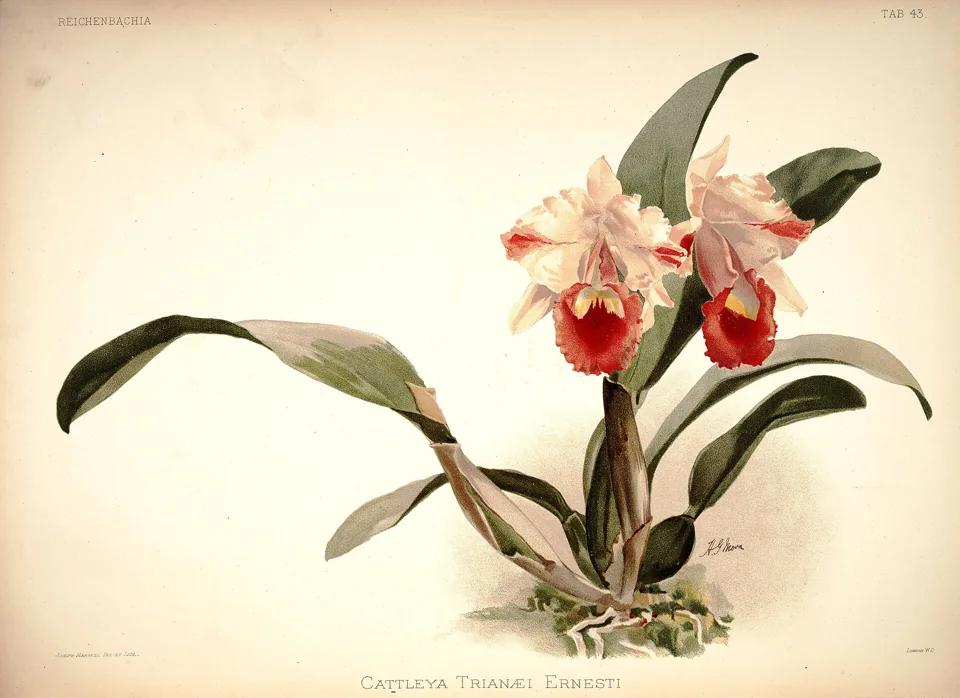
The illustration on this page is labeled Cattleya trianae in its archival source. It is a historical botanical illustration, not a photograph taken during a recent field visit. That distinction matters when using images as evidence.
Check names and claims
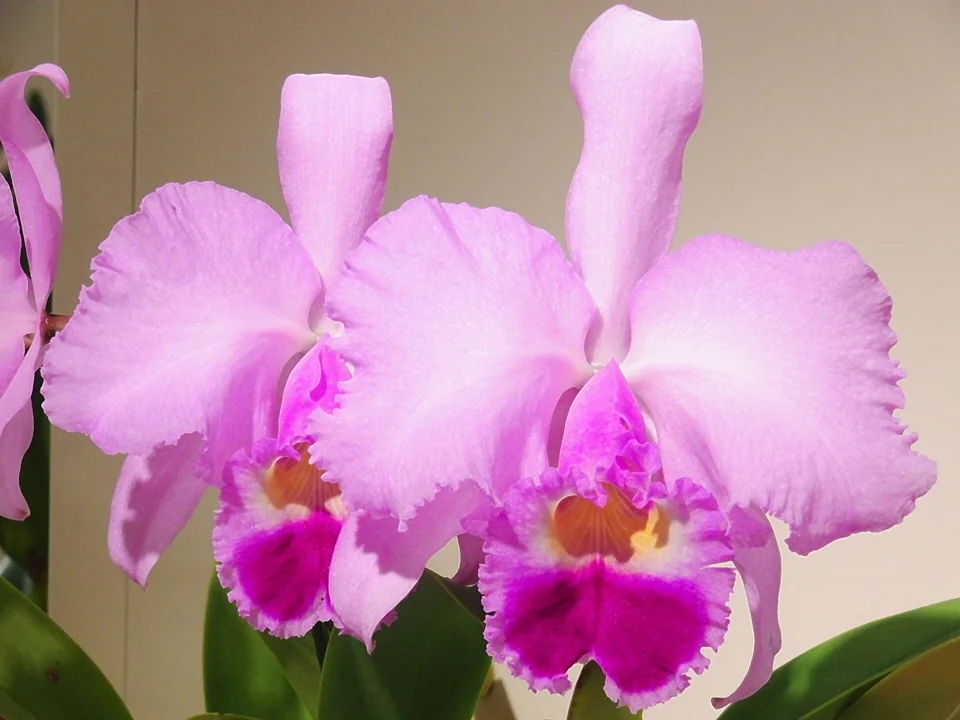
Use the collection's label and reputable botanical records to confirm the scientific name. Treat a common name or a seller's description as a starting point, not final identification. If a photograph cannot be confidently identified, caption it broadly rather than assigning it a famous Colombian species.
SiB Colombia provides a route into biodiversity records and current publications. Avoid repeating an undated national species total without its source and scope.
Stay curious about the landscape
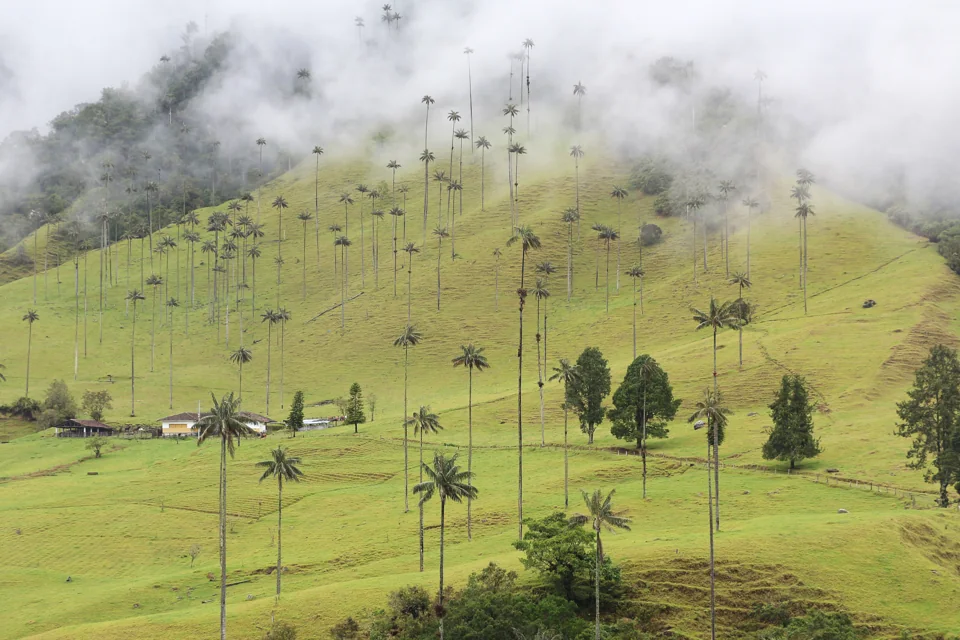
A sourced photograph can add context to a guide, but it cannot prove access, safety or a current opening.
Visit without collecting
- Leave wild plants in place, including those growing on branches or fallen material.
- Stay on permitted routes and avoid damaging surrounding plants for a clearer picture.
- Ask before using flash or moving labels and display materials in collections.
- Do not buy a plant if its lawful origin and any transport requirements are unclear.
Make better observation notes
Record the date, habitat or collection, plant label and whether it was cultivated. Photograph the whole plant as well as the flower where permitted. Those details are more useful for learning than a close-up detached from its context.
For a nature trip, confirm current access rules and guide requirements separately. A rare plant's location is not an invitation to enter private or protected land.
Sources and next checks
Reference links for the rules, data and context discussed here. Official sources, market snapshots and community anecdotes are identified by their titles. Recheck time-sensitive requirements before applying, paying or travelling. Planning checklists are editorial suggestions, not official requirements.