
Can you visit every Colombian national park?
No. Protected status does not mean a place is open for tourism. Check Parques Nacionales' official ecotourism information for the specific area, route and date. Closures, capacity, reservations and guide requirements can change.
Serranía de Chiribiquete should not appear as an ordinary park to add to a visitor itinerary. Use the park authority's information to understand its protection and restrictions instead of buying a trip based on dramatic photographs.
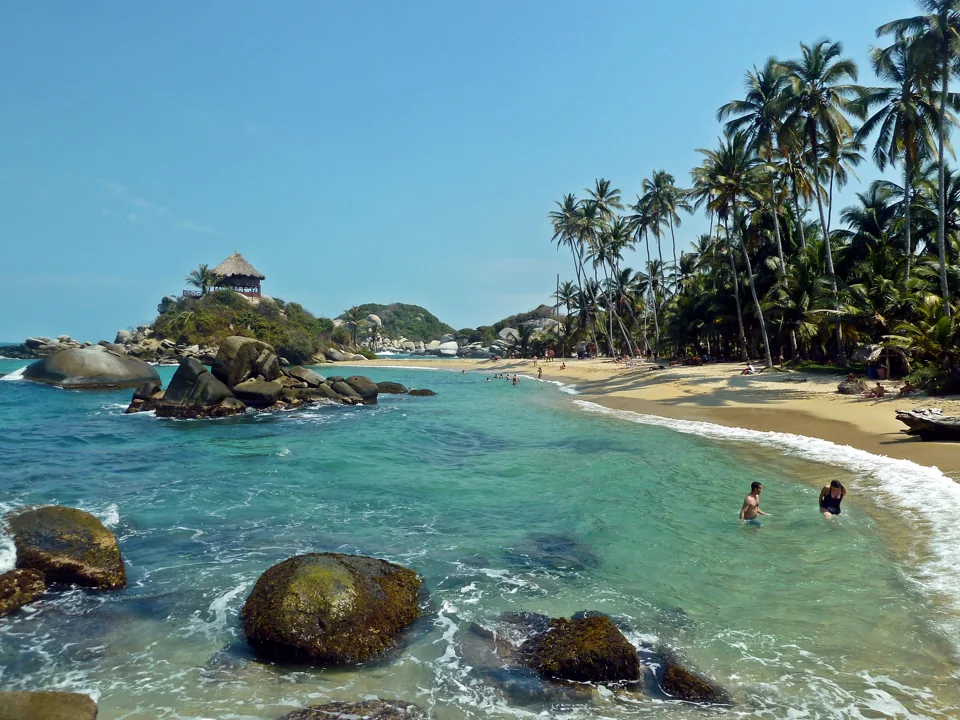
For a Tayrona visit
Confirm the current opening calendar, entrance arrangements, permitted trails and overnight options through official information. Do not assume a beach shown in a photograph is open or suitable for swimming. Follow local signs, staff instructions and any Indigenous or conservation-related closures.
Book travel with enough flexibility to change plans if weather or access changes. A tour seller's availability is not proof that the activity is authorized.
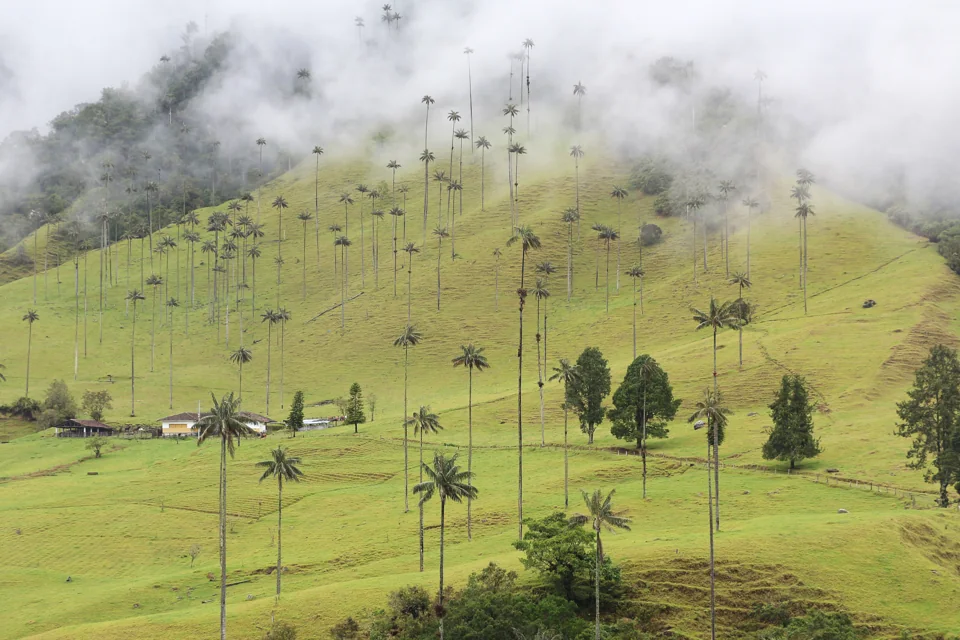
Stay curious about the landscape
A sourced photograph can add context to a guide, but it cannot prove access, safety or a current opening.
Questions before any protected-area outing
- Is this entrance and route open on my intended date?
- Are reservations, a guide or specific documentation required?
- What are the walking conditions, elevation and accessibility limitations?
- What facilities, water and communications are available?
- What happens if the visit is cancelled or conditions change?
Respect the place you came to see
Stay on authorized routes, carry out waste and leave plants and wildlife undisturbed. Do not fly a drone, collect specimens or enter a restricted area without the necessary permission. Ask before photographing people or cultural sites.
The Cocora Valley is a landscape destination, not itself the name of a national park. Be precise about which trail, private property or protected area your booking actually includes.
Sources and next checks
Reference links for the rules, data and context discussed here. Official sources, market snapshots and community anecdotes are identified by their titles. Recheck time-sensitive requirements before applying, paying or travelling. Planning checklists are editorial suggestions, not official requirements.